Learn how to stay safe during a heat wave and how to treat heat-related illness like heat exhaustion – Extreme Heat.
An extreme heat event is a series of hot days, much hotter than average for a particular time and place. Extreme heat is deadly and kills more people than any other weather event. Climate crisis is making extreme heat events more frequent, more severe, and last longer. But we can take action to prepare. Prepare now to protect yourself and your loved ones.
Extreme Heat is Too Dangerous to Be Invisible
Knowing what to do to protect yourself and your loved ones can save lives. Protect yourself, your loved ones and your neighbors by staying connected with your community. It could save a life.
Learn how to protect yourself and your loved ones when temperatures rise
What Should You Do Before Extreme Heat Occurs?
Learn How to Stay Hydrated
You need to drink enough water to prevent heat illness. An average person needs to drink about 3/4 of a gallon of water daily. Everyone’s needs may vary.
- You can check that you are getting enough water by noting your urine color. Dark yellow may indicate you are not drinking enough.
- Avoid sugary, caffeinated and alcoholic drinks.
- If you are sweating a lot, combine water with snacks or a sports drink to replace the salt and minerals you lose in sweat.
- Talk to your doctor about how to prepare if you have a medical condition or are taking medicines.
Gather Emergency Supplies
Gather food, water and medicine. Stores might be closed. Organize supplies into a Go-Kit and a Stay-at-Home Kit. In the event of a power outage, you may lose access to clean drinking water. Set aside at least one gallon of drinking water per person per day. Consider adding drinks with electrolytes. Include sunscreen and wide-brimmed hats.
- Go-Kit: at least three days of supplies that you can carry with you. Include backup batteries and chargers for your devices (cell phone, CPAP, wheelchair, etc.).
- Stay-at-Home Kit: at least two weeks of supplies.
- Have a 1-month supply of medication in a child-proof container and medical supplies or equipment.
- Keep personal, financial, and medical records safe and easy to access (hard copies or securely backed up).
Consider keeping a list of your medications and dosages on a small card to carry with you.
Make a Plan to Stay Cool
Do not rely only on electric fans during extreme heat. When temperatures are in the high 90s, fans may not prevent heat-related illness. Taking a cool shower or bath or moving to an air-conditioned place is a much better way to cool off.
- Spending a few hours each day in air conditioning can help prevent heat illness.
- If you have air conditioning, be sure that it is in working order.
- If you do not have air conditioning or if there is a power outage, find locations where you can stay cool. For example, a public library, shopping mall, or a public cooling center. Plan how you will get there.
- Additional resources may be available from local government or community groups.
- Make sure you have plenty of lightweight, loose clothing to wear.
- Create a support team of people you may assist and who can assist you. Check in with them often to make sure that everyone is safe.
Learn Emergency Skills
- Learn how to recognize and respond to heat illness.
- Learn First Aid and CPR.
- Be ready to live without power. Utilities may be offline. Be ready to live without power, gas, and water. Plan for your electrical needs, including cell phones and medical equipment. Talk to your doctor. Plan for backup power.
Plan to Stay Connected
- Sign up for free emergency alerts from your local government.
- Plan to monitor local weather and news.
- Have a backup battery or a way to charge your cell phone.
- Have a battery-powered radio during a power outage.
- Understand the types of alerts you may receive and plan to respond when you receive them:
- A WATCH means Be Prepared!
- A WARNING means Take Action!
Extreme Heat Preparedness Videos
Learn what steps to take to prepare you and your loved ones for disasters. In English, Spanish, and ASL.Play Video
Disaster Preparedness: Extreme Heat (English)Play Video
Disaster Preparedness: Extreme Heat (Spanish)Play Video
Disaster Preparedness: Extreme Heat (American Sign Language)
Download the Extreme Heat Safety Checklist

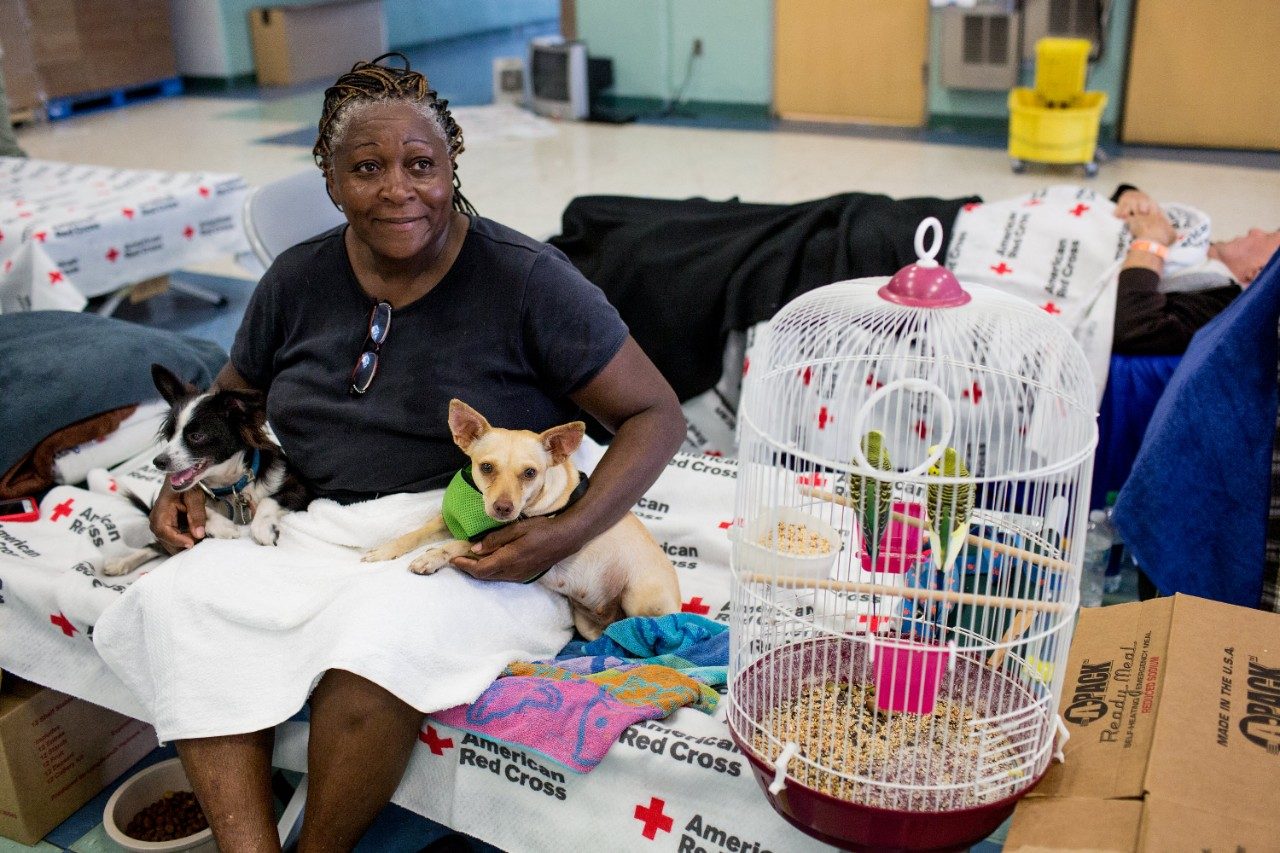
What Should You Do During Extreme Heat?
Stay Hydrated
- Drink plenty of fluids. Encourage others to drink plenty of fluids, too.
- Replace salt and minerals with snacks or a sports drink.
Stay Cool
- Stay in an air-conditioned place as much as possible.
- If your home does not have air conditioning, go to your predesignated cool location.
- Wear lightweight, loose clothing and take cool showers or baths.
- Limit your outdoor activity. If you must work outdoors, schedule tasks earlier or later in the day.
Prevent Heat Illness
Check on your friends, family, and neighbors. Help them prevent heat illness. Act fast if you notice someone with symptoms. Anyone can develop heat illness. But, people at greater risk are:
- Older adults
- Infants, children and pregnant women
- People with medical conditions
- Outdoor workers
- People with limited personal resources
- People living in places that lack green spaces
Scroll down to learn how to identify and respond to 3 common types of heat illness.
What to Do After Extreme Heat
Take Care of Yourself
- It’s normal to have a lot of bad feelings, stress or anxiety.
- Eat healthy food and get enough sleep to help you deal with stress.
- You can contact the Disaster Distress Helpline for free if you need to talk to someone. Call or text 1-800-985-5990.
How to Treat Heat-Related Illnesses
During heat waves people are susceptible to three heat-related conditions. Here’s how to recognize and respond to them.
Heat Cramps
Heat Cramps are muscle spasms caused by a large loss of salt and water in the body.
What to look for:
- Heavy sweating with muscle pain or spasms
What to do:
- Move to a cool place.
- Drink water or a sports drink
- Get medical help right away if:
- Cramps last longer than 1 hour
- Person affected has heart problem
Heat Exhaustion
Heat Exhaustion is severe and may require emergency medical treatment.
What to look for:
- Heavy sweating
- Cold, pale and clammy skin
- Fast, weak pulse
- Nausea or vomiting
- Muscle cramps
- Tiredness or weakness
- Dizziness-Headache-Passing out
What to do:
- Move to a cool place
- Loosen tight clothing
- Cool the body using wet cloths, misting, fanning, or a cool bath
- Sip water slowly
- Get medical help right away if:
- Vomiting occurs
- Symptoms last longer than 1 hour or get worse
- Confusion develops
Heat Stroke
Heat Stroke is deadly and requires emergency medical treatment.
What to look for:
- High body temperature (104°F or higher)
- Hot, red, dry or damp skin
- Fast, strong pulse
- Headache-Dizziness
- Nausea-Confusion-Passing out
What to do:
- Call 911 right away, then:
- Move to a cool place
- Cool the body using wet cloths, misting, fanning, or a cool bath
- Do NOT give the person anything to drink
Comments are closed